Hikuawa — Years 1–5
Like gently moving wetland water, learning in Hikuawa grows steadily as ākonga build foundations, confidence, connections and curiosity.

HAEATA COMMUNITY CAMPUS / LEARNING / YEARS 1–8
Our Place. Our Learning. Our Journey.
At Haeata, our Years 1–8 ākonga build strong foundations, develop relationships, explore new ideas and grow in confidence. Hikuawa and Kaunuku connect learning with the local curriculum and the cultural narrative of eastern Ōtautahi.
Explore Hikuawa →Discover Kaunuku →How we learn →
Hikuawa (Years 1–5) and Kaunuku (Years 6–8) form a connected learning journey from primary to intermediate-level learning. The movement of water offers a way to understand that journey: water moves slowly through the Hikuawa wetlands, while in Kaunuku the flow becomes faster. As ākonga grow, their learning also gains pace, depth and independence.
Like gently moving wetland water, learning in Hikuawa grows steadily as ākonga build foundations, confidence, connections and curiosity.
Like a faster-flowing river, learning in Kaunuku gathers momentum as ākonga deepen knowledge, take on greater challenges and prepare for intermediate-level learning.
FROM GENTLE WATERS TO A STRONGER CURRENT
In Hikuawa (Years 1–5), water moves slowly, reflecting the steady development of foundational learning. In Kaunuku (Years 6–8), the water flows faster, reflecting how learning gains pace as ākonga move into the intermediate years, tackle new challenges and become increasingly independent.
Hikuawa is Haeata’s Years 1–5 learning community. Learning includes reading, writing, mathematics, relationships, wellbeing, exploration and opportunities to build understanding across the curriculum. Like the slower-moving waters of its wetland setting, this stage gives ākonga time to establish strong foundations and find their confidence.
Hikuawa’s learning-space names connect with wetland places, plants, birds and other living things associated with eastern Ōtautahi. The school’s published account links this naming story with Ōruapaeroa and Travis Wetlands.


The wetland images provide environmental context; they do not depict school activities.
The Puna Ako names below reflect local species and places. These short descriptions draw on the school’s published naming information and the 2015 cultural research; their interpretation should be checked with Haeata’s cultural leadership before publication.

Kaunuku is Haeata’s Years 6–8 community, where learning begins to move at a faster pace as ākonga transition from primary to intermediate-level learning. They extend their reading, writing and mathematics, tackle more complex ideas, broaden curriculum knowledge, develop independence and explore new interests and challenges.
The fast-flowing water of Kaunuku builds on the slow, steady wetland waters of Hikuawa. It is a metaphor for learning gathering momentum: stronger foundations enable greater challenge, responsibility and preparation for what comes next. Kaunuku’s spaces take their names from waterways associated with Ōtākaro and the surrounding landscape.
Ōtākaro and the wider network of streams hold historical, ecological and cultural significance. The supplied cultural narrative discusses traditional mahinga kai and springs connected with parts of this landscape.
Our published learning information describes three connected elements of the learning experience.
A smaller group within the learning community, supporting relationships, routines, wellbeing and communication with whānau. The Puna Ako kaiako is the usual first point of contact.
Focused curriculum learning that supports knowledge and skills, including reading, writing and mathematics.
Integrated learning in which ākonga investigate ideas, make connections and develop understanding through workshops, inquiry and projects.
Literacy and numeracy help ākonga learn confidently across the curriculum. Teaching, practice and meaningful application strengthen these essential foundations.
Developing reading knowledge, comprehension, fluency and confidence.
Communicating ideas with growing clarity and purpose.
Building number knowledge, reasoning and problem-solving skills.
Haeata’s existing page lists specialist learning experiences in physical education, music, drama, visual arts, hard materials and design technology, digital technology and Pasifika learning. Current availability and grouping arrangements should be confirmed before publication.
An area of learning and exploration in Haeata’s published specialist-options list.
An area of learning and exploration in Haeata’s published specialist-options list.
An area of learning and exploration in Haeata’s published specialist-options list.
An area of learning and exploration in Haeata’s published specialist-options list.
An area of learning and exploration in Haeata’s published specialist-options list.
An area of learning and exploration in Haeata’s published specialist-options list.
Positive relationships between ākonga, kaiako and whānau help learners feel connected and supported. Haeata’s published programme discusses Mauri Tau, school mātāpono, routines and the Mana Potential Framework as part of learning and wellbeing.
Your child’s Puna Ako kaiako is an important point of connection.
Learning, wellbeing and a sense of belonging support one another.
Whānau knowledge and perspectives support meaningful school–home partnership.
The cultural research describes the significance of wetlands, waterways, mahinga kai, native plants and animals to mana whenua. These connections are about more than classroom decoration: they help locate learning within the history and identity of the area.
The land, ecosystems and living things of eastern Ōtautahi.
Waterways, springs and connections across the local landscape.
Places and practices connected with obtaining food and resources, including enduring cultural relationships and rights.
Building relationships, routines and essential learning foundations.
Developing confidence, knowledge, curiosity and curriculum understanding.
In Kaunuku (Years 6–8), learning gathers pace as ākonga deepen their knowledge, become more independent and prepare for their next stage.
Whānau know their tamariki in important ways. Staying connected with your child’s Puna Ako kaiako, talking about learning and sharing questions support strong partnerships.
Email the school office →Call Haeata →Hikuawa is for Years 1–5 (primary learning) and Kaunuku is for Years 6–8 (the transition into intermediate-level learning). The shift from slowly moving wetland water to faster-flowing river water reflects the growing pace, depth and independence of learning.
A smaller group within a learning community, connected with one or two kaiako and supporting relationships and learning.
The Puna Ako kaiako is generally the primary contact. Contact the school office if you are unsure.
Time for curriculum learning, including foundational reading, writing and mathematics knowledge and skills.
Haeata’s integrated learning approach provides opportunities to investigate ideas and explore learning through inquiry and projects.
They are core areas of curriculum learning. Contact the school for details of current teaching programmes.
The published page mentions PE, music, drama, visual arts, design technology, digital technology and Pasifika. Confirm current options with Haeata.
Their names reflect connections to the local cultural narrative and the landscapes of eastern Ōtautahi.
Use the links in the whānau information section above.
Visit the enrolment page or email office@haeata.school.nz.
From first steps to growing independence, every ākonga’s journey matters. Explore Hikuawa and Kaunuku, get to know our kura and discover learning at Haeata.
Enrol at Haeata →Explore Learning →Parents, please support our local businesses


Visit Website

Scan this code to download the app
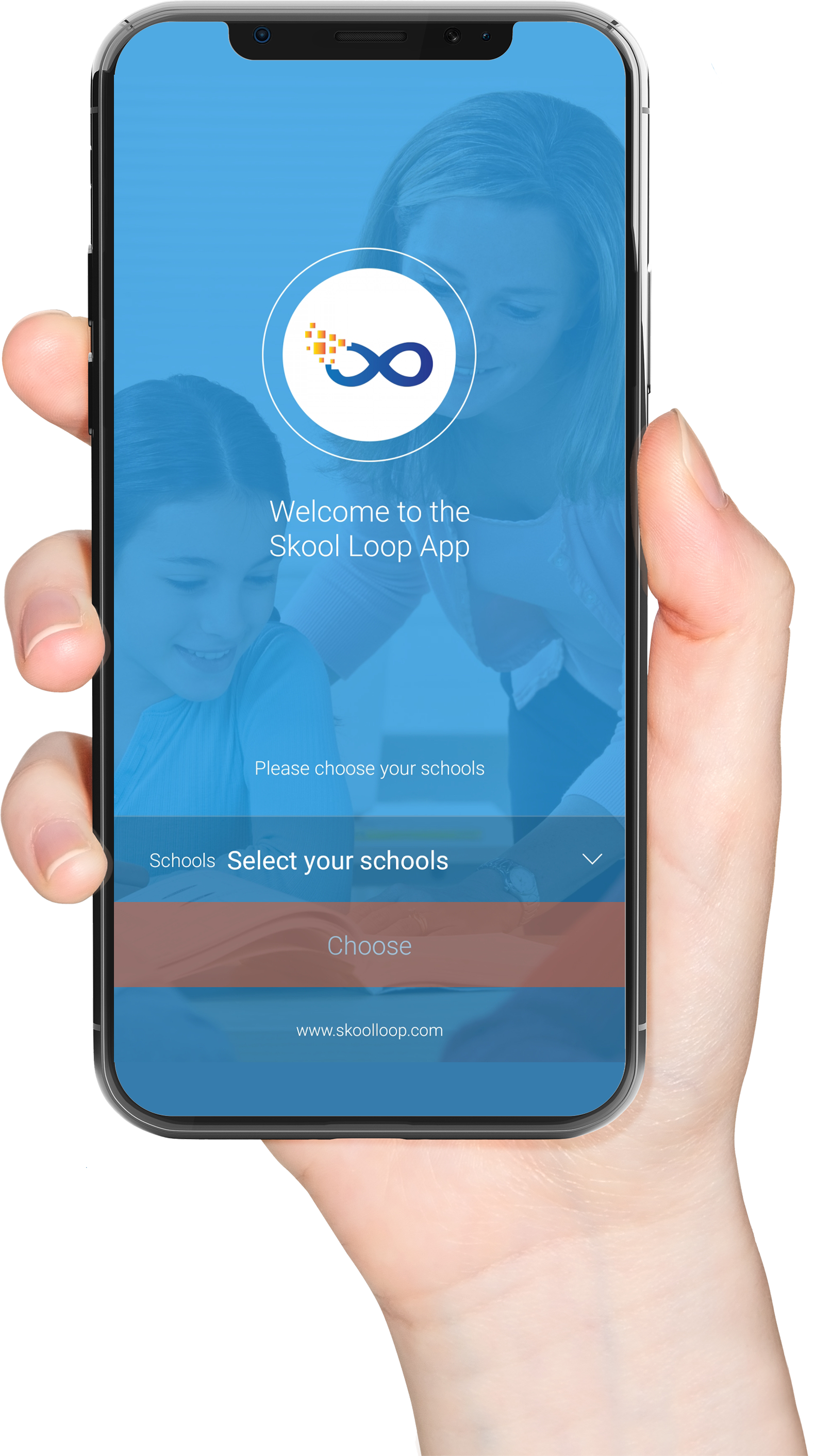
Download our Skool Loop App, a simple and free download. In Google Play & App Store search ‘Skool Loop’ and choose our school once installed.