Te Reo Māori
Language is part of everyday teaching, learning and communication.

HAEATA COMMUNITY CAMPUS / LEARNING / REO RUA MĀORI
Where Language, Identity and Learning Flow Together.
Kōmanawa is Haeata Community Campus’s Māori bilingual learning pathway, with te reo Māori, tikanga Māori and te ao Māori central to the learning experience.
Published programme information: Years 1–10 · Level 2 Māori immersion
Discover Kōmanawa →How We Learn ↓Enquire About Kōmanawa
Our cultural narrative • Our learning journey
THE MEANING OF KŌMANAWA
Kōmanawa means “a spring of water”. Haeata describes it as the beginning of the school’s narrative: water emerging and welling up, much like feelings in the heart.
A spring marks a beginning. Ākonga arrive with their own knowledge, identity, strengths and aspirations. At Kōmanawa, language, relationships and cultural identity are part of that journey from the start.
Explore Haeata’s Cultural Narrative →OUR LEARNING PATHWAY
Te reo Māori, tikanga Māori and a te ao Māori worldview shape the everyday learning experience. Kōmanawa also places strong emphasis on educational achievement and learning responsive to the strengths and interests of each ākonga.
Language is part of everyday teaching, learning and communication.
Kaupapa Māori values and cultural practice inform the learning environment.
Ākonga are supported to strengthen connections with whānau, iwi and community.
Literacy, numeracy, curriculum knowledge and the confidence to use them remain central.
LEARNING THROUGH TE REO MĀORI
The currently published programme information describes Kōmanawa as a Level 2 Māori immersion provision, with kaiako delivering learning in te reo Māori for approximately 50–80% of the day. Ākonga develop language confidence over time.
The approximate proportion of te reo Māori described in the published programme information; actual class use may vary.
The curriculum document identified by Kōmanawa’s current published webpage.
The range on the current programme page. The Cultural Narrative glossary lists Years 1–11, so the present range needs school confirmation.
Note: Level 2 Māori immersion is a language-of-instruction classification, not NCEA Level 2.
OUR LEARNING APPROACH
Three connected components link relationships and wellbeing, purposeful teaching, and opportunities to investigate the world.
Building relationships with ākonga and whānau is central to Kōmanawa. The published programme describes Te Aranui ki te Ao, Haeata’s Mātāpono and Uara, and a focus on holistic wellbeing.
Explicit teaching builds te reo Māori and curriculum knowledge. Learning may include individual, small-group and whole-class teaching, with tuākana–teina relationships and opportunities to develop problem-solving.
Ākonga draw on curiosity, interests and developing knowledge to investigate, explore and connect curriculum learning through a te ao Māori worldview.
RĀKAIHAUTŪ AND THE KŌ
Haeata cultural artwork
Haeata’s published Kōmanawa page connects Rākaihautū, an explorer associated with the Waitaha people, with the kō and the shaping of the whenua through exploration.
In the school’s learning narrative, “Nōu te kō — The kō is yours!” invites ākonga to take an active role: ask questions, use their knowledge, investigate what matters to them and chart their own learning paths.
RĀKAIHAUTŪTANGA
Nōu te kō.
The kō is yours!
Inquiry gives ākonga opportunities to explore questions, express their talents and connect knowledge across learning areas.

CURRICULUM LEARNING
During Rākaihautūtanga, learning connects across curriculum areas. Structured teaching provides knowledge and tools; inquiry gives ākonga opportunities to apply them.
Mathematics, reasoning and solving problems.
People, places, history and social understanding.
Science, investigation and evidence.
Creative expression through the arts.
Technology, design and creating solutions.
Reading, writing, oral language and communication.
LANGUAGE • CULTURE • IDENTITY
Kōmanawa places language learning alongside cultural identity, whanaungatanga and the knowledge and skills needed to participate confidently in the wider world.
Strengthening understanding and everyday use of te reo Māori.
Acknowledging each learner’s own whakapapa and connections.
Building meaningful connections with peers, kaiako and whānau.
Growing as learners, communicators and community members.
HAUORA
The published Kōmanawa programme describes attention to cultural, spiritual, physical and mental wellbeing as part of its Puna Ako practice.
It refers to Te Whare Tapawhā; the exact locally preferred terminology and its current use should be confirmed by Kōmanawa leadership before publication. Relationships and wellbeing are integral to the learning environment.
PARTNERSHIP WITH WHĀNAU
Whānau bring important knowledge, experiences and aspirations to their child’s learning. Kōmanawa’s published approach encourages whānau to participate in language development, learning planning and school-community connection.
The existing webpage describes hui to connect and celebrate learning. Confirm current scheduling with the programme.
A compass map or personal learning plan co-created by ākonga, whānau and kaiako.
Whānau at different stages of their te reo Māori journey are encouraged to grow alongside their tamariki.
KAPEHŪ WHETŪ
The published programme describes Kapehū Whetū as a compass map — a personal learning plan developed together with the learner and their whānau.
Notice the knowledge, identity, interests and capabilities of the learner.
Talk together about what matters and what the learner hopes to achieve.
Discuss opportunities and support for future learning.
These three steps explain the idea to whānau; they are not a claim about an official three-stage school procedure.
FOR PROSPECTIVE WHĀNAU
Kōmanawa may appeal to families who value learning through te reo Māori and te ao Māori and want to build language knowledge and cultural connections alongside their tamariki.
The programme values regular engagement, relationships with kaiako and opportunities to participate in whānau hui. These statements describe its kaupapa; they are not verified formal admission criteria.
Enquire About Kōmanawa →GET IN TOUCH
Choosing a learning pathway is an important decision. Contact the school to discuss Kōmanawa’s current year levels, language programme, available places and enrolment process.
Phone: 03 930 0110
Email: office@haeata.school.nz
Address: 240 Breezes Road, Wainoni, Christchurch 8061
Enrolment Information →Email Haeata →EXPLORE HAEATA
QUICK ANSWERS
Haeata describes Kōmanawa as “a spring of water”, marking the beginning of the school’s learning narrative.
The programme page lists Years 1–10; an older cultural glossary lists Years 1–11. Please contact Haeata to confirm the current range.
The published programme describes approximately 50–80% of the teaching day delivered in te reo Māori. It is not a reference to NCEA Level 2.
Kōmanawa is described as a Level 2 Māori immersion / bilingual provision, not as a full-immersion programme.
Current entry criteria are not specified here; please contact Haeata for enrolment guidance.
The published Kōmanawa page identifies Te Marautanga o Aotearoa. Contact the school for the latest curriculum arrangements.
An important space for relationships, identity, connection with kaiako and holistic wellbeing.
Purposeful teaching and learning to build te reo Māori, curriculum knowledge and essential skills.
Integrated inquiry learning, using the school’s kō metaphor to invite ākonga to explore questions and direct their learning.
The programme describes a compass map or personal learning plan created collaboratively with ākonga and whānau.
Through connections with kaiako, learning planning and hui; current arrangements should be confirmed with the programme.
Contact the school office on 03 930 0110 or office@haeata.school.nz.
Nōu te kō
Every ākonga brings their own strengths and possibilities. Explore Kōmanawa, connect with our kura and discover whether this is the right learning pathway for your whānau.
Enquire About Enrolment →Discover Our Cultural Narrative →Parents, please support our local businesses


Visit Website

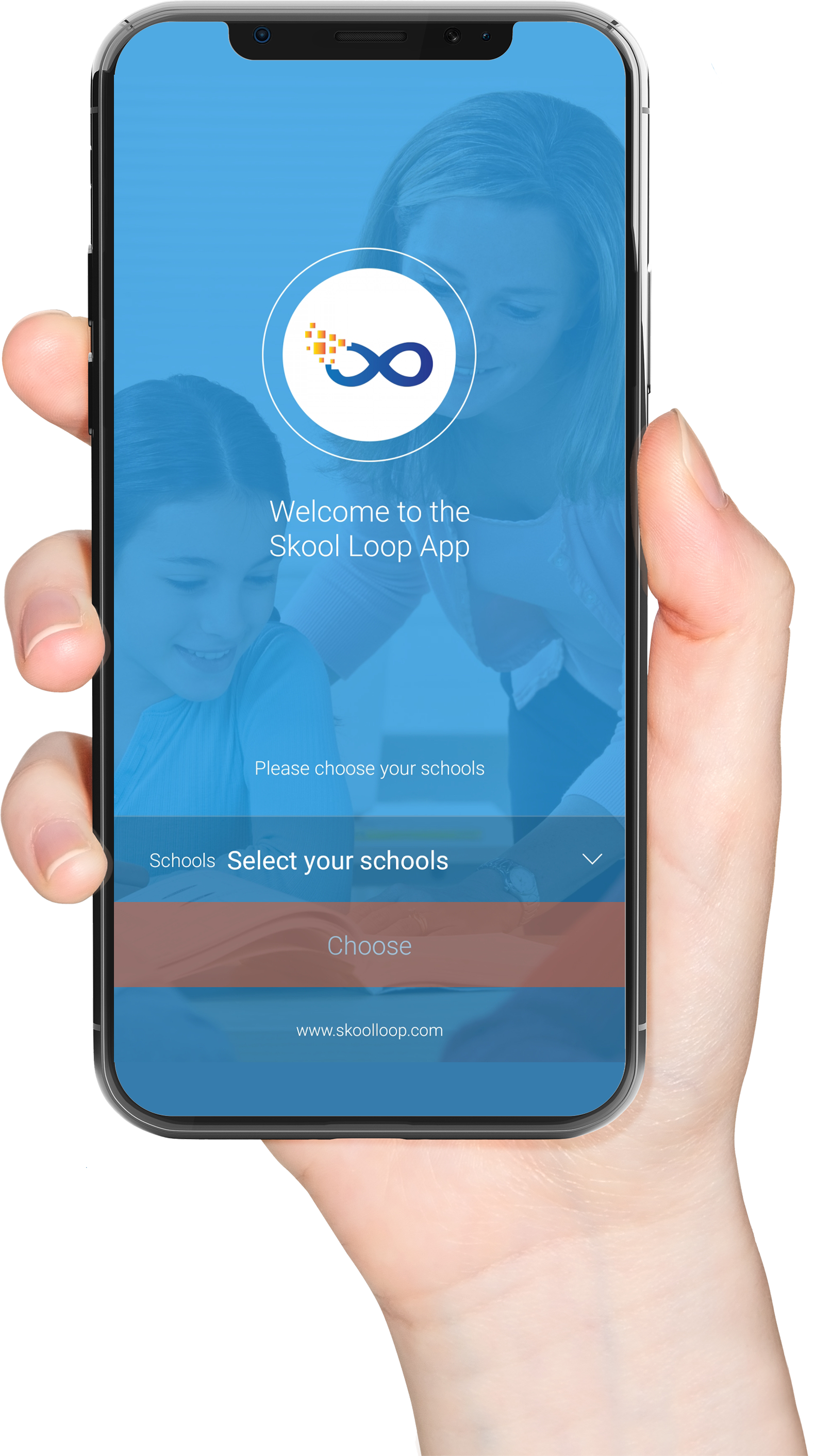
Scan this code to download the app
Download our Skool Loop App, a simple and free download. In Google Play & App Store search ‘Skool Loop’ and choose our school once installed.